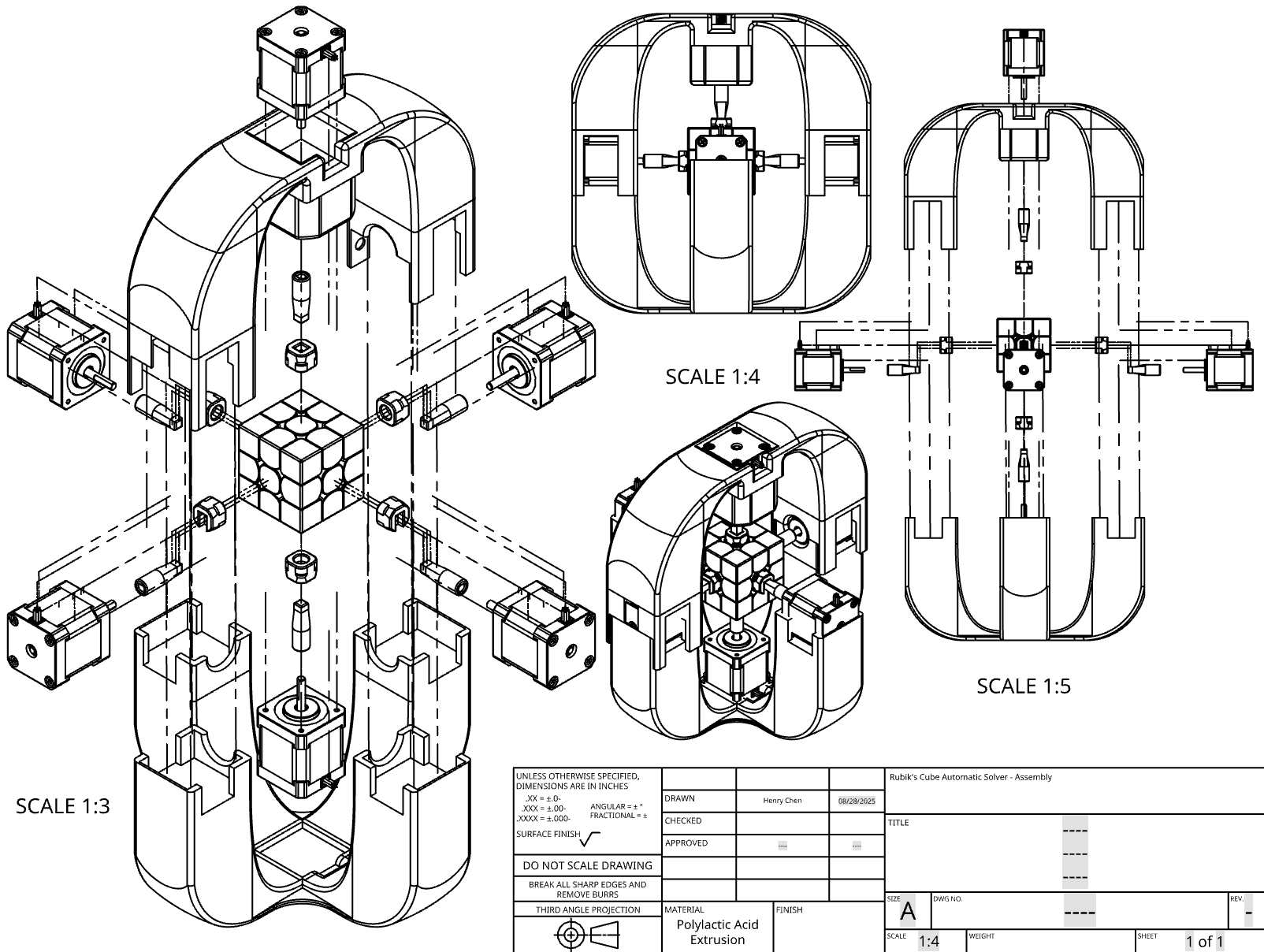
Sub-second solves from a fully integrated machine.
A Rubik's Cube solving robot that incorporates mechanical design, embedded systems, computer vision, and advanced algorithms to achieve solve times under one second.
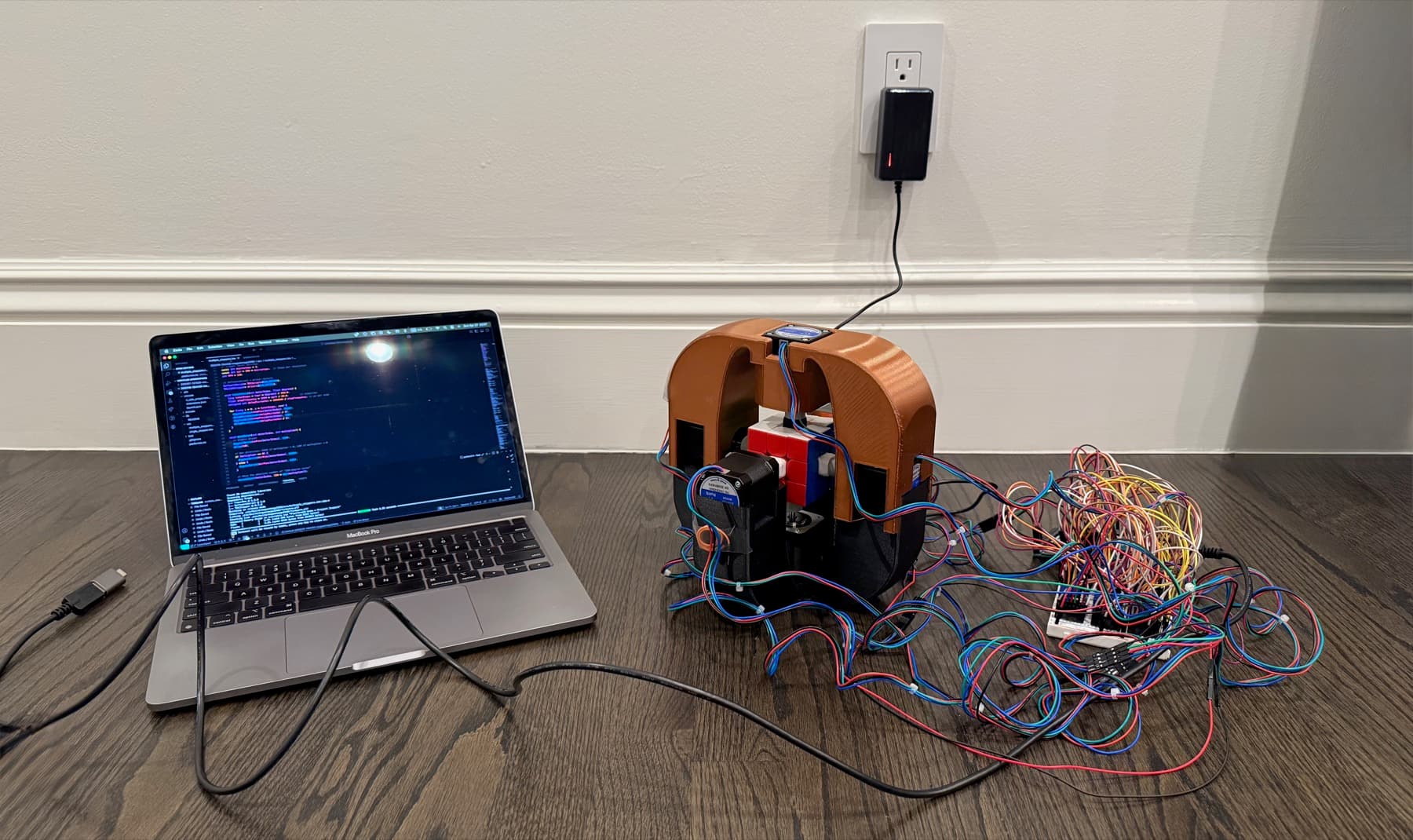
Engineered for speed, precision, and modularity.
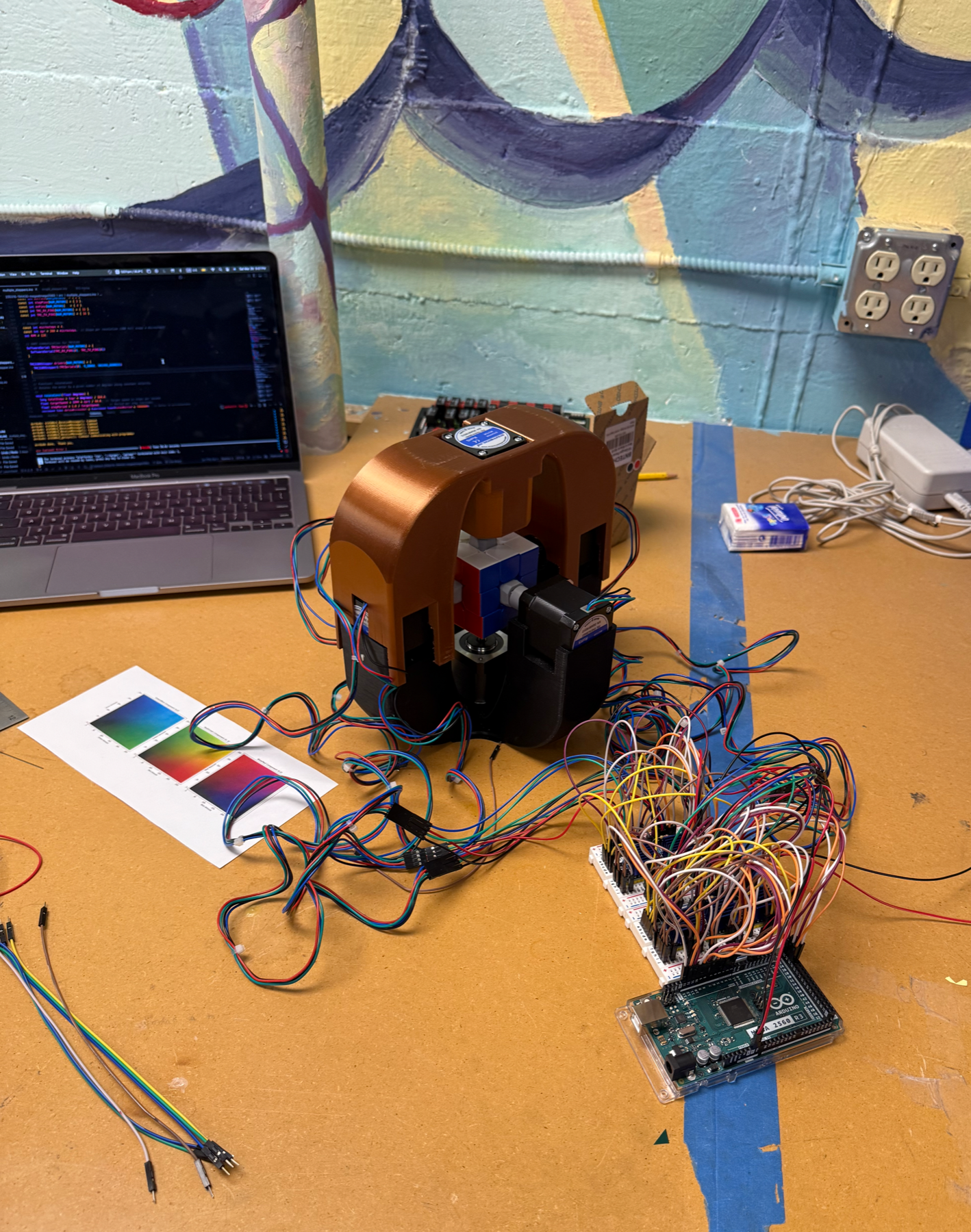
Every component is custom-designed and 3D printed to enable independent rotation of each cube face. The fully modular architecture is conducive to iterative improvements and easy maintenance. Every part press-fits into the next, so the whole assembly goes together and comes apart completely toolless—no nuts, bolts, or fasteners of any kind.
End effectors are optimized for the precise interfacing and control of the cube with minimal backlash. The design was refined through multiple prototypes to achieve optimal balance between speed, reliability, and robustness.
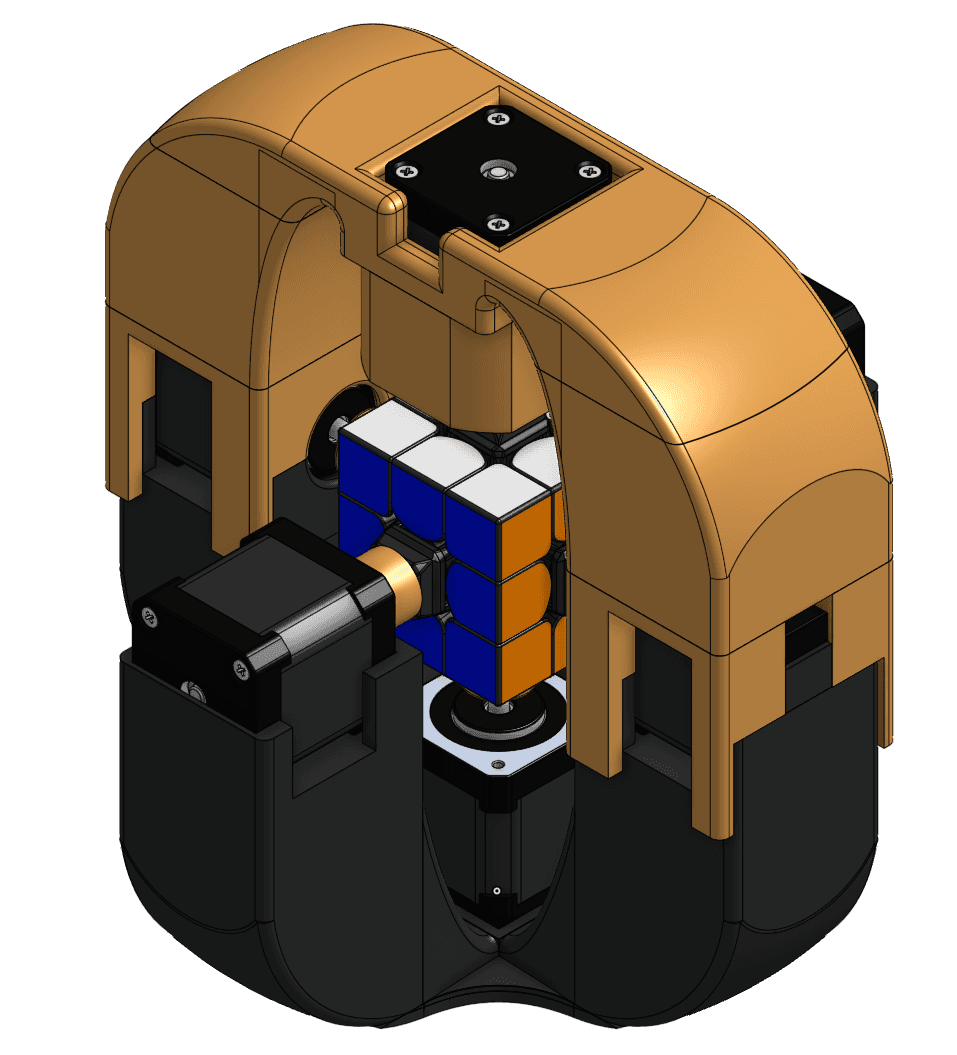
Watch a complete solve in under one second.
The robot processes cube state via computer vision, computes an optimal solution path, and executes the moves with precise stepper motor control.
Each solve averages fewer than 20 moves via the Kociemba algorithm, completing start to finish in under a second.
Reliable motor control and sensor integration.
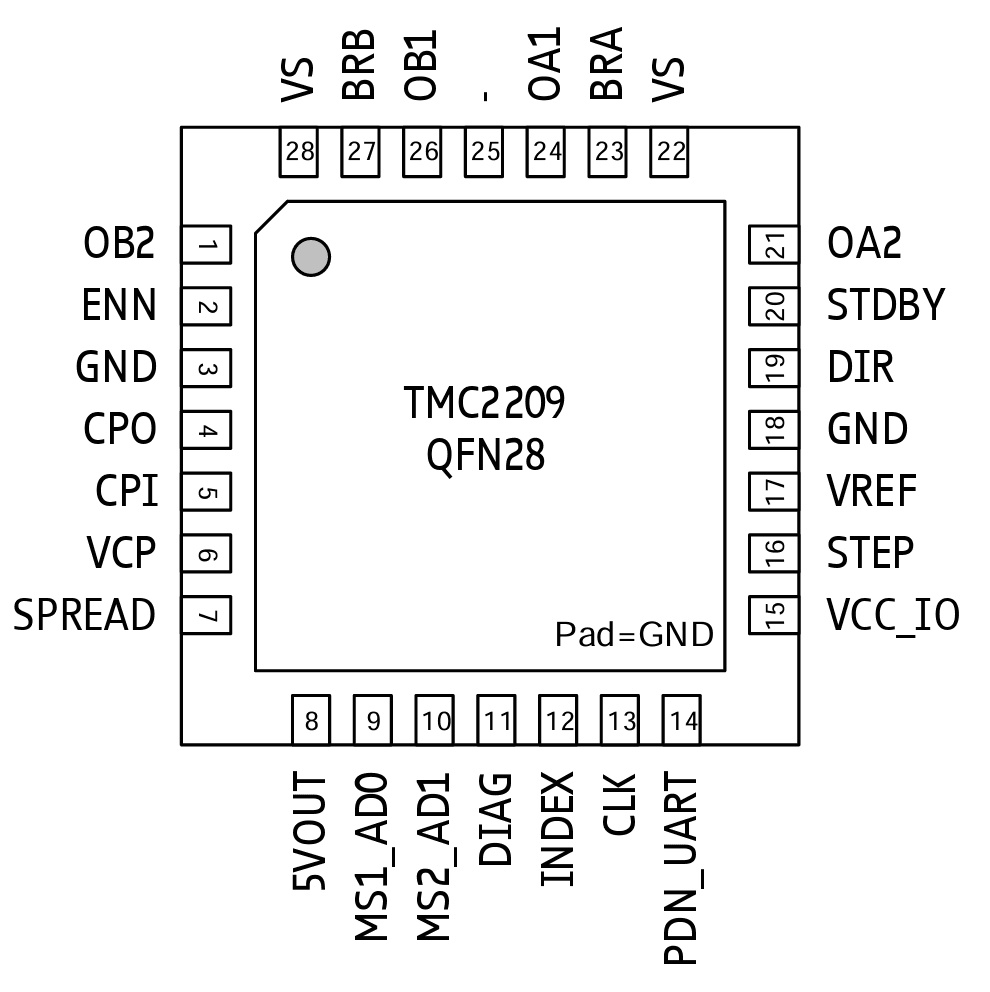
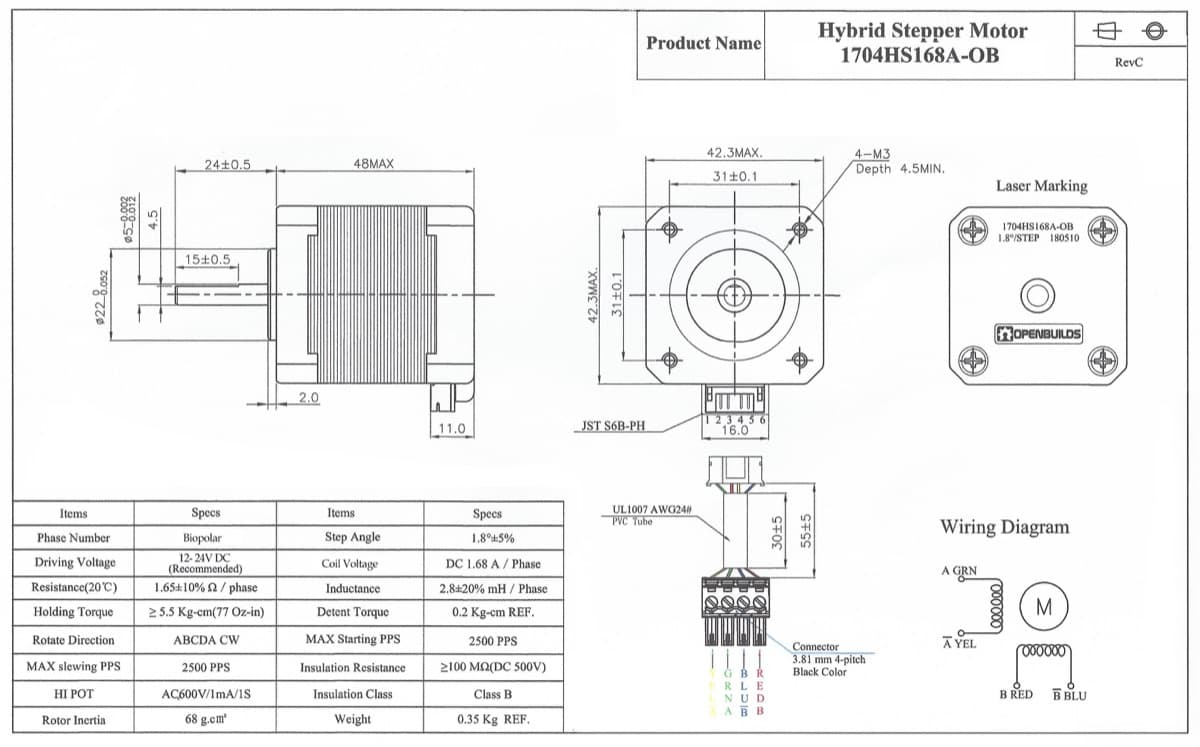
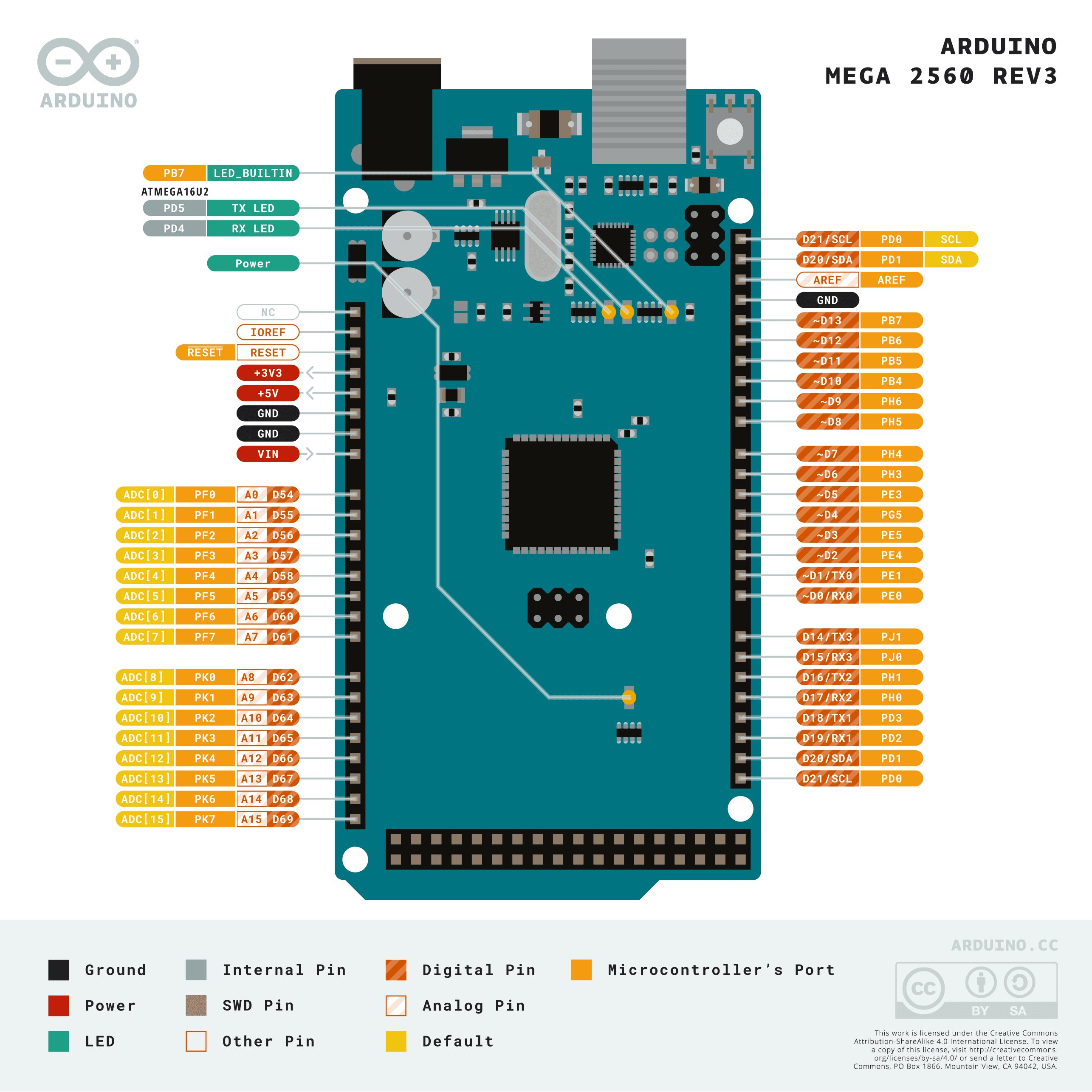
The electrical system bridges computer vision with mechanical actuation. An Arduino MEGA 2560 coordinates six TMC 2209 stepper motor drivers for smooth, precise rotation of each cube face.
- Arduino MEGA 2560 microcontroller
- 6× TMC 2209 V2.0 stepper drivers
- 6× NEMA 17 stepper motors
- Pull-up resistors and decoupling capacitors
Real-time control with interrupt-driven architecture.
The C++ firmware manages stepper motor timing, serial communication with the vision system, and move execution. Interrupt-driven design ensures responsive sensor feedback during high-speed operations.
- Precise timing for stepper motor control
- Communication protocols for vision interface
- Configurable motor RPM settings
- Comprehensive error handling
Kociemba algorithm with real-time visualization.
Computer vision detects cube state through color recognition. The Kociemba algorithm computes near-optimal solutions, typically under 20 moves. A Python GUI provides real-time visualization of solving progress.
The system achieves consistent sub-second solve times while maintaining high accuracy in cube state detection across varying lighting conditions.
Six steppers, one system, $117.95.
| Component | Qty | Price |
|---|---|---|
| NEMA 17 2A stepper motor | 6 | $64.98 |
| TMC 2209 stepper motor driver | 6 | $24.99 |
| Arduino Mega | 1 | $22.99 |
| 12V 2A power supply | 1 | $4.99 |
| Total build cost | $117.95 | |
Not included in the total above: the 3D-printed structural parts (filament cost only) and common lab-shop electrical components used throughout the build—resistors, capacitors, jumper wires, breadboard, and similar wiring hardware.